
Overview
What is TMJ & Jaw Pain?
The temporomandibular joints (TMJs) are the two joints that connect your lower jaw (mandible) to your skull, just in front of the ears. They are among the most used and most complex joints in the body — working every time you talk, chew, yawn or swallow. Problems affecting these joints and the muscles that move them are collectively known as temporomandibular disorders (TMD), and they are a common cause of jaw pain. In fact, TMD is often described as one of the most common musculoskeletal pain conditions, second only to chronic low back pain.
Each TMJ contains a small articular disc — a cushion of cartilage, similar in concept to the meniscus in the knee — that allows the joint to both hinge and glide smoothly. When this disc becomes displaced, it can cause the clicking or popping many people notice, and, if it catches, it can even lock the jaw. The jaw is moved by powerful muscles — the masseter, temporalis and pterygoids — which are frequently involved in TMD, often through tension, overuse or clenching.
TMD is usually grouped into muscle-related (myofascial) problems, joint-related (arthrogenous) problems such as disc displacement or arthritis, or a combination. The three cardinal signs clinicians look for are jaw pain, joint sounds (clicking/popping), and restricted or deviating jaw movement.
A point that’s particularly relevant to chiropractic care is the neck–jaw connection. The upper neck and the jaw share close neurological links (through the trigeminal and upper cervical nerves), and posture strongly influences jaw mechanics — a forward-head posture changes how the jaw sits and functions. Because of this, neck dysfunction and poor posture can contribute to jaw pain, and addressing the neck is often part of managing TMD.
In Singapore’s high-stress, screen-based environment — where clenching, poor posture and neck tension are common — jaw pain and TMD are frequently seen
TMD is described by its type (muscle, joint, or mixed) and duration (acute or chronic), which — together with the pattern of symptoms — guides the most appropriate, often multidisciplinary, management.
Know your pain
Types of TMJ & Jaw Pain & Related Conditions
TMD takes several forms depending on whether the problem is in the muscles, the joint, or both.
Myofascial (Muscle-Related) TMD
The most common form, involving pain and tension in the jaw muscles (masseter, temporalis, pterygoids), often linked to clenching, grinding and stress.
Disc Displacement
When the TMJ's articular disc slips out of position — causing clicking or popping (disc displacement with reduction) or, if it blocks movement, a locked or restricted jaw (disc displacement without reduction).
TMJ Osteoarthritis
Age-related or degenerative wear of the jaw joint, causing pain, stiffness and a grinding sensation (crepitus).
Bruxism-Related TMD
Problems driven by teeth grinding and clenching (bruxism), often stress- or sleep-related, which overload the jaw joint and muscles.
Related conditions
tension-type and cervicogenic headaches (the jaw muscles and neck are closely linked to headaches), and ear-related symptoms, which commonly accompany TMD.
The science
How the Jaw & Neck Structures Are Involved?
The jaw is a coordinated system of joints, a disc, powerful muscles and nerves — closely linked to the neck.
The TMJ & Articular Disc
The joint hinges and glides, cushioned by its articular disc. Disc displacement disrupts this smooth movement, causing clicking, catching or locking.
The Jaw Muscles
The masseter, temporalis and pterygoids move the jaw and are common sources of pain when tense or overworked. Their trigger points can refer pain to the head, ear and teeth.
The Trigeminal Nerve
The trigeminal nerve supplies the jaw and face and links the jaw to the head and neck pain pathways.
The Neck Connection
The upper cervical spine and the jaw share neurological pathways, and posture (particularly forward-head posture) affects how the jaw sits and functions — which is why neck dysfunction and poor posture can contribute to TMD, and why care often addresses the neck.
Why it happens
Common Causes of TMJ & Jaw Pain
TMD usually results from a combination of factors rather than a single cause.
1. Teeth clenching & grinding (bruxism). A leading contributor, often stress- or sleep-related, that overloads the jaw joint and muscles.
2. Stress & muscle tension. Stress increases jaw and neck muscle tension and clenching.
3. Disc & joint problems. Disc displacement and joint wear affect jaw movement directly.
4. Injury or trauma. A blow to the jaw, or a whiplash injury, can affect the TMJ.
5. Posture & neck dysfunction. Forward-head posture and upper-neck problems influence jaw mechanics.
6. Habits & occlusion. Nail biting, gum chewing, and bite (occlusion) issues can contribute.
7. Contributing factors: teeth clenching and grinding · high stress · poor posture and neck dysfunction · previous jaw or neck injury · habitual jaw-loading (gum, nail biting) · bite or dental factors · joint degeneration with age.
Recognising it
Signs & Symptoms of TMJ & Jaw Pain
Symptoms often extend beyond the jaw itself.
- Jaw pain or tenderness, in the joint (in front of the ear) or the jaw muscles (cheek, temple).
- Clicking, popping or grinding sounds when opening or closing the mouth.
- Limited jaw opening, or a jaw that locks (open or closed).
- Jaw deviation to one side on opening.
- Ear symptoms pain, fullness or ringing (tinnitus) — even though the ears are healthy.
- Headaches, particularly in the temples, and facial pain.
- Morning jaw soreness (a clue to night-time clenching or grinding).
- Difficulty or discomfort with chewing.
⚠ Warning signs — when to seek urgent care
- A jaw that is locked open or closed and won't move; jaw pain after significant trauma (possible fracture)
- Jaw pain that comes on with chewing (jaw "claudication")
- A swollen, hot area with fever or dental pain (possible infection or dental problem)
Getting help
When Should You See a Chiropractor for Jaw Pain?
Chiropractic care can help with the muscular and neck-related aspects of TMD, as part of a broader, often multidisciplinary approach. Consider an assessment if you have:
- Jaw pain, tension or headaches linked to the jaw muscles.
- Jaw problems accompanied by neck pain, stiffness or poor posture.
- Clicking or restricted jaw movement you’d like assessed.
- Clenching- or stress-related jaw tension.
Red-flag or clearly dental causes need dental or medical assessment first. A key part of our role is recognising when jaw pain needs a dentist (for example, for a bite splint, dental or occlusal causes) or specialist, and working alongside them.
Your first step
How Do We Assess TMJ & Jaw Pain?
Because the jaw, muscles and neck are all involved, a careful assessment considers each and screens for dental and other causes.
1. History & symptom review. We discuss your symptoms, jaw sounds, clenching or grinding habits, stress, posture, any injury, and relevant dental history.
2. Jaw examination. We assess jaw opening, movement and deviation, listen for joint sounds, and palpate the jaw muscles and joint for tenderness.
3. Cervical & postural assessment. We examine the upper neck and posture, given their close link to jaw function.
4. Screening & referral. We screen for dental, joint and other causes, and coordinate with your dentist — referring where a bite, dental or specialist issue is involved.
How we help
TMJ & Jaw Pain Care Options at Agape Chiropractic Clinic
Care focuses on the muscular and neck-related contributors to jaw pain, alongside your dental care. Depending on your assessment, your plan may include one or more of the following.
Soft tissue therapy
Release of the jaw muscles (masseter, temporalis and pterygoids) and related trigger points to reduce tension and pain — a mainstay for muscle-related TMD.
Gentle TMJ mobilisation
Careful, appropriate techniques to support jaw joint movement.
Cervical care & posture correction
Gentle upper-neck care and posture work to address the neck-and-posture contribution to jaw pain.
Jaw exercises & self-management
Specific jaw movement, relaxation and posture exercises, and guidance on habits and clenching.
Stress & habit management support
Practical strategies to reduce clenching and jaw tension.
Co-management
We work alongside dental care — for example, where a bite splint (night guard) or dental treatment is needed — and refer for dental or occlusal causes.
Your journey
What to Expect During Your Care?
Initial consultation
A detailed discussion of your jaw symptoms, habits, stress, posture and history.
Comprehensive assessment
An examination of the jaw, jaw muscles, neck and posture, with screening for dental and other causes.
Personalised plan
We explain our findings, are clear about scope and any need for dental input, and recommend a plan combining soft tissue care, neck and posture work, and self-management.
Monitoring your progress
We review your symptoms and jaw function over time and coordinate with your dental care as needed.
Timelines
Recovery & Prognosis
Many cases of TMD — particularly muscle-related and posture- or neck-linked ones — improve with conservative, often multidisciplinary care. Recovery depends on the type of TMD, contributing factors such as clenching and stress, and whether the neck and posture components are addressed. Disc, degenerative or clearly dental problems may need dental or specialist management, and co-management gives the best results.
Factors that influence recovery: the type of TMD (muscle, joint or mixed) · clenching, grinding and stress levels · neck and postural contributors · how long symptoms have been present · and how consistently you follow self-management and any dental care.
Because so much jaw pain relates to muscle tension, habits and the neck, addressing these contributors — not just the jaw itself — is central to lasting relief.
Self-care
Managing TMJ & Jaw Pain at Home
Many cases can be supported with sensible self-care. Seek professional advice if symptoms persist or worsen — and dental/medical assessment for red-flag features.
- Rest the jaw — favour softer foods and avoid wide opening, hard or chewy foods and gum during flare-ups.
- Be aware of clenching and practise keeping the teeth slightly apart and the jaw relaxed.
- Apply heat to tense jaw muscles for relief.
- Do your prescribed jaw and posture exercises.
- Improve your posture and take screen breaks to reduce neck-and-jaw strain.
- Manage stress and support your sleep, both of which affect clenching.
- Know when to seek care — a locked jaw, trauma, dental infection or the red-flag features above need prompt assessment.
Staying well
How to Prevent TMJ & Jaw Pain?
- Manage clenching and stress, and stay aware of jaw tension.
- Maintain good posture and address neck strain.
- Avoid jaw-loading habits such as gum chewing and nail biting.
- Address neck and jaw symptoms early.
- Follow dental advice, including a night guard if recommended for grinding.
Tailored care
TMJ & Jaw Pain Across Different Groups & Lifestyles
People who clench or grind
A major group, often with muscle-related TMD and morning jaw soreness.
Women aged 20–40
TMD is notably more common in this group.
Desk-based & screen workers
Forward-head posture and neck tension contribute to jaw pain.
Those with neck problems or headaches
The close jaw–neck link means these often coexist.
About us
Why Choose Us for TMJ and Jaw pain in Singapore?
Our Chiropractic Clinic in Orchard focuses on getting to the root of your pain, not just easing symptoms for a day. We combine careful diagnosis with a range of techniques so your care fits your condition, and we’re upfront about what chiropractic can and can’t help — including when to refer you elsewhere.
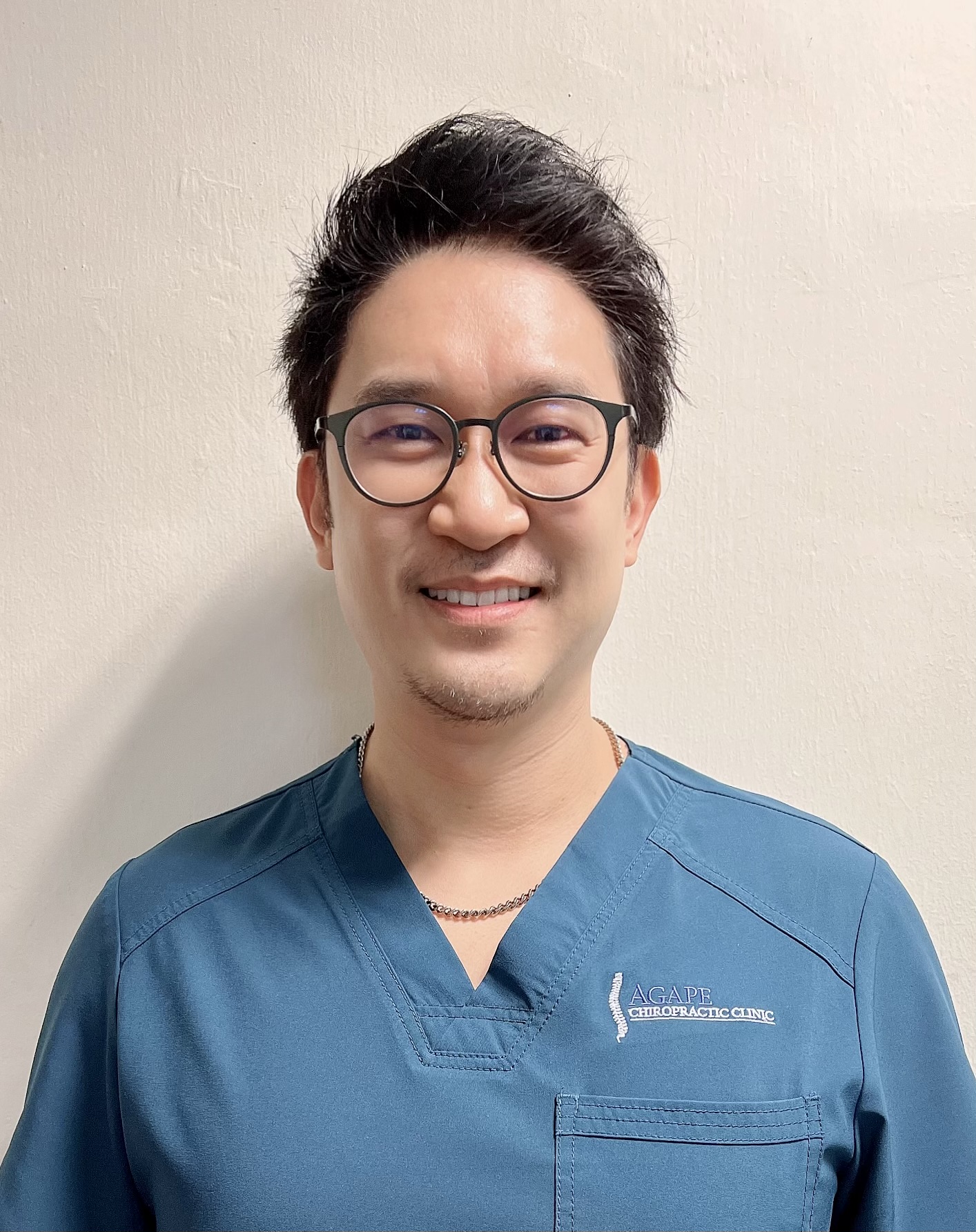
Dr. Luke Ho
Dr. Luke Ho obtained his Chiropractic degree from Palmer College of Chiropractic, Davenport, Iowa, USA in 2005. Prior to graduating, he worked in the campus clinic for 18 months as a clinical extern, treating students, faculty, and outpatients. In 2001 Dr. Ho obtained a BSc. in Sports Medicine from the University of Evansville, Indiana, USA. During his 3rd and 4th years there, he interned at the St. Mary’s Hospital Cardiac Rehabilitation Department, the St. Mary’s Sports and Fitness Center, and the University of Evansville Rehabilitation Center where he worked closely with the university tennis, volleyball, basketball and baseball teams.
Questions