
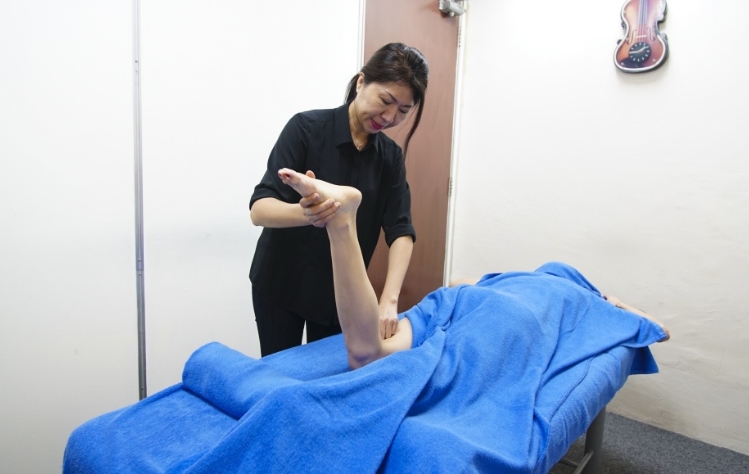
Myofascial Release Therapy
section-064d32a
Myofascial Pain Treatment in Singapore
Myofascial release (or MFR) is a clinical therapy that treats skeletal muscle immobility and pain by improving blood and lymphatic circulation, relaxing contracted muscles, and stimulating the stretch reflex in muscles.
Faye, who is Agape’s Myofascial Therapist, has also been a sports injury and muscle therapist for over 25 years in Singapore. Some of the conditions and issues that she can help address include:
- Pain linked to Scoliosis
- Pre and post-natal massage
- Sprains and strains
- Pain resulting from bad posture
- Chronic tension (headaches, shoulder and trap pain & tightness)
- Myofascial tension
- Hyper or hypo-lordosis (decreased or increased spinal curves)
- Whiplash and other muscular and fascia – related problems
Faye is experienced and trained to very effectively locate and isolate the areas of injury, in order to release the pain and tension. Patients who have received treatment from her have been amazed by the results of Chiropractic and sports massage combined.
How does myofascial therapy work?
Fascia is one continuous, connected structure — which is why a restriction in one area can affect movement and comfort somewhere quite different. When fascia and muscle become tight through overuse, sustained posture, stress or injury, that restriction can build up into what's known as myofascial pain, often with tender spots and referred pain.
Myofascial release works differently from a fast, stroke-based massage. The therapist applies gentle, sustained pressure and stretch to the restricted tissue and holds it, allowing the fascia and muscle to gradually relax and release. This is thought to reduce tension in the myofascial tissue, improve local circulation and mobility, and ease pain by influencing the tissue and the nervous system — restoring easier, freer movement. It's often combined with gentle movement and stretching.
What does myofascial pain treatment help with?
Myofascial release is used mainly for muscle-and-fascia tightness, restriction and the pain that comes with it. It can help with:
- Myofascial pain & muscle tension
- Neck pain & stiffness
- Back pain
- Shoulder tightness
- Tension headaches
- Jaw & TMJ tension
- Postural & stress-related tightness
- Sports & overuse tightness
Is myofascial release right for you?
Myofascial therapy suits many people with muscle-and-fascia tightness, restriction and myofascial pain — from stress- and posture-related tension to sports-related tightness. As always, Faye assesses first to confirm it's the right approach.
What it feels like. Myofascial release is generally gentle and slow — you'll feel sustained pressure and a stretching sensation as the tissue releases, and many people find it very relaxing. There may be mild tenderness in tight areas, and occasionally mild soreness for a day or so afterwards.
⚠ Considerations Myofascial therapy isn't appropriate in every situation. Please let us know if any of the following apply:
- A recent acute injury, fracture or significant swelling in the area
- An open wound, skin condition or active infection over the treatment site
- A blood-clotting disorder, blood-thinning (anticoagulant) medication, or fragile skin
- Pregnancy (so we can adapt the approach)
- A diagnosed condition such as fibromyalgia (which may need a gentler or broader approach)
Meet the Agape Family
At Agape Chiropractic Clinic, we believe every patient's condition is unique and we provide customized treatment for each individual. During consultation we discuss your preferences before providing personalized care — beginning with a thorough examination and explanation, followed by chiropractic care and myofascial release therapy. X-rays or MRIs are only done if clinically necessary, and you will be taught simple, effective ways to modify your lifestyle and posture, plus specific exercises to strengthen the affected muscles and improve function, circulation, strength and endurance, so you can stay pain-free.

Dr. Luke Ho
The Chiropractor

Faye
The Myofascial Therapist
Visit us
Our clinic
You will find us in the heart of Singapore on Orchard Road — easy to reach by MRT, in a comfortable, welcoming space for your care.
Agape Chiropractic Clinic Pte. Ltd.
- Address
400 Orchard Road, #05-02, Orchard Towers, Singapore 238875
- Phone
- Business Registration No. (UEN)
201805679H
Frequently Asked Questions
What is myofascial release?
Myofascial release is a gentle, hands-on therapy that eases tightness and pain in the muscles and fascia (the connective tissue surrounding your muscles). It uses slow, sustained pressure and stretch to release restricted tissue and restore movement.
How is myofascial release different from a regular massage?
Rather than fast strokes, myofascial release uses gentle, sustained holds targeted at areas of fascial restriction. It's slower and more specific, aiming to release the tissue rather than provide general relaxation alone.
What is myofascial pain, and can it be treated?
Myofascial pain is pain and tightness coming from the muscles and fascia, often with tender spots and referred pain. Myofascial pain treatment in Singapore with Faye aims to release the restriction and ease the pain, usually alongside advice to address what caused it.
Does myofascial release hurt?
It's generally gentle and many people find it relaxing. You may feel sustained pressure and mild tenderness in tight areas, and occasionally mild soreness afterwards. Faye works within your comfort.
How many sessions will I need?
It's usually done over a series of sessions, tailored to you. Lasting relief also depends on addressing what's keeping the tissue tight, so treatment is often combined with stretches and self-release tips.
Is myofascial release safe?
For suitable people, it's a safe, non-invasive therapy. It isn't appropriate in some situations — such as a recent acute injury, infection over the area, or if you take blood thinners — which is why Faye assesses first.