
Overview
What is Migraine?
Migraine is a common primary neurological disorder characterised by recurrent headache attacks, typically moderate to severe, often one-sided and throbbing, and frequently accompanied by nausea, vomiting and heightened sensitivity to light (photophobia) and sound (phonophobia). It is far more than a headache: migraine is one of the world’s most common and disabling conditions, affecting around 15% of people (roughly one in seven), and it is a leading cause of disability worldwide, particularly among younger women.
A migraine attack often unfolds in up to four phases, a useful thing to recognise:
- Prodrome (hours to a day before): subtle warning signs such as mood changes, food cravings, yawning or neck stiffness.
- Aura (in some people): temporary neurological symptoms, most often visual (flashing lights, zigzag lines or blind spots), lasting minutes to about an hour.
- Headache (attack): the main phase of throbbing pain with nausea and light/sound sensitivity, lasting from hours up to a few days.
- Postdrome (the “migraine hangover”): fatigue, difficulty concentrating and a washed-out feeling for a day or so afterwards.
Migraine is classified as migraine without aura or migraine with aura, and by frequency as episodic (fewer than 15 headache days per month) or chronic (15 or more headache days per month for over three months). These distinctions, described in the International Classification of Headache Disorders (ICHD-3), guide medical management.
A point that’s particularly relevant to chiropractic care: neck symptoms are extremely common in migraine. Many people experience neck pain and stiffness as part of the prodrome or the attack itself, and the neck and the migraine system are neurologically linked through a shared brainstem relay (the trigeminocervical complex). For some people, neck dysfunction can act as a contributor or trigger, and a coexisting neck-related headache can occur alongside migraine. This is where conservative, neck-focused care may play a supportive role — while migraine itself remains a condition managed medically.
Know your pain
Types of Migraine & Related Conditions
Migraine and neck-related headaches can coexist, and telling them apart guides the right care.
Migraine Without Aura
The most common form, recurrent attacks of throbbing pain with nausea and light/sound sensitivity, without preceding neurological symptoms.
Migraine With Aura
Attacks preceded or accompanied by temporary neurological symptoms, most often visual.
Chronic Migraine
Headache on 15 or more days per month for over three months, with migraine features on at least eight of those days — often overlapping with medication-overuse headache.
Vestibular Migraine
Migraine in which dizziness and balance symptoms are prominent.
Menstrual Migraine
Attacks linked to the menstrual cycle and hormonal changes.
Related headaches that respond better to manual care
Tension-type headache and cervicogenic (neck-origin) headache can occur alongside migraine and are more directly helped by chiropractic care, which is why distinguishing them matters.
The science
How the Nervous System & Neck Are Involved?
Migraine is fundamentally a brain and nervous-system condition, but the neck plays a genuine supporting role.
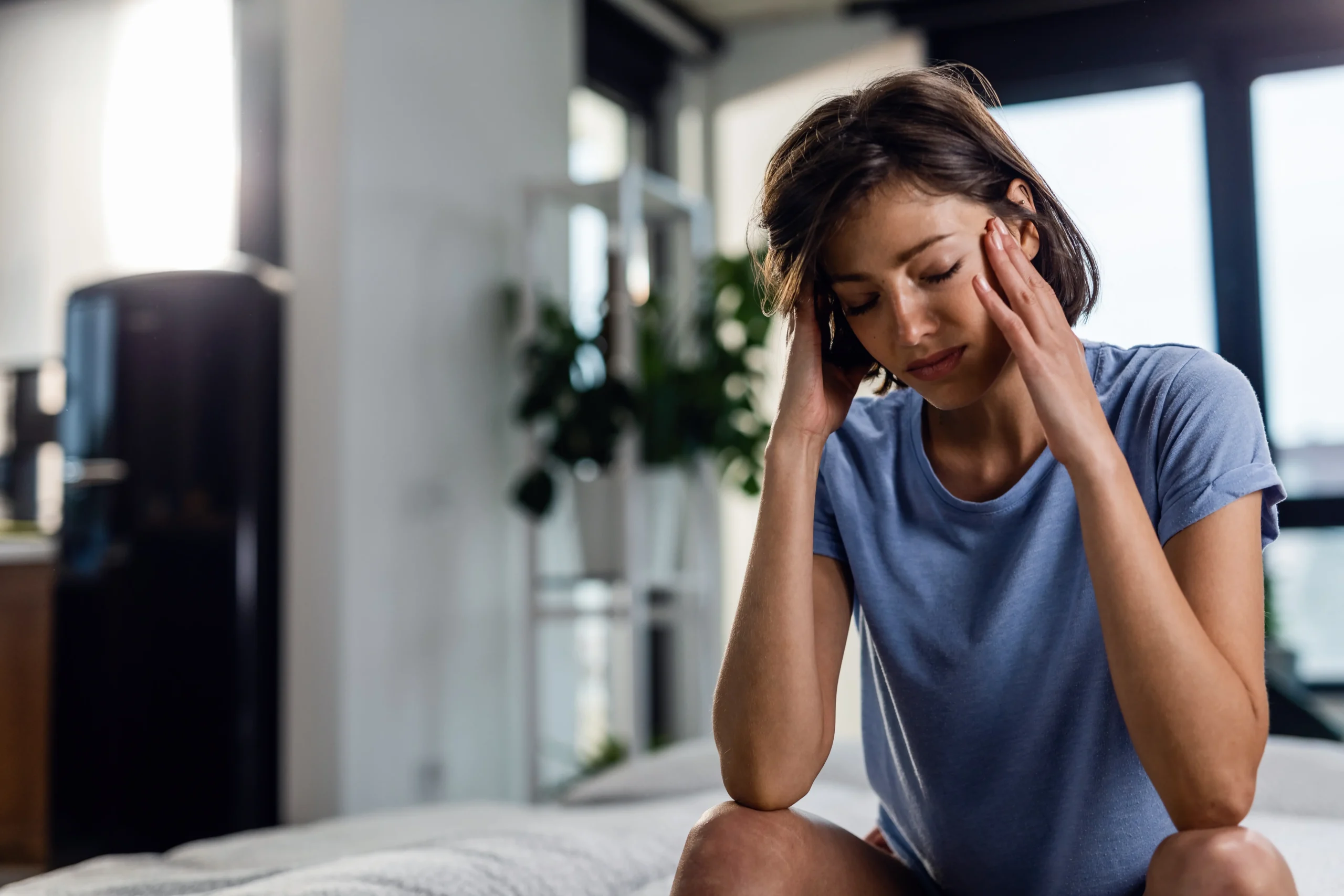
The Trigeminovascular System
Migraine involves activation of the trigeminal nerve pathways and changes in the brain and its blood vessels, producing the pain and associated symptoms.
Cortical Spreading Depression
The aura is thought to result from a wave of altered electrical activity spreading across the surface of the brain — the basis of the temporary visual and sensory symptoms.
CGRP and Migraine Biology
A molecule called calcitonin gene-related peptide (CGRP) plays a central role in migraine, and modern medical treatments now specifically target it — reflecting how much migraine is a neurological, medically managed condition.
The Trigeminocervical Link
Nerve signals from the upper neck and from the trigeminal system converge in the brainstem, which is why neck symptoms are so common in migraine and why, for some people, addressing neck dysfunction may support their overall management.
Why it happens
Common Triggers & Contributing Factors
Migraine attacks are often set off by triggers rather than a single cause, and triggers vary from person to person.
Common triggers: stress (and the “let-down” after stress) · poor or irregular sleep · hormonal changes (for example, around menstruation) · certain foods and drinks, alcohol and caffeine changes · dehydration and skipped meals · bright lights, strong smells and sensory overload · weather changes · and, for some, neck tension and sustained posture.
Contributing factors: a family history of migraine · being female · high stress · irregular sleep · medication overuse · and neck and postural strain, which can contribute in some people.
Because triggers are individual, identifying yours — often with a headache diary — is one of the most valuable steps in reducing attacks.
Recognising it
Signs & Symptoms of Migraine
Symptoms vary by phase and by person, but typically include:
- Moderate to severe head pain, often one-sided and throbbing, worsened by activity.
- Nausea or vomiting.
- Sensitivity to light, sound and sometimes smell.
- Aura in some people — visual disturbances, tingling, or speech changes before or during the attack.
- Neck pain and stiffness, commonly as part of the prodrome or attack.
- Fatigue, difficulty concentrating and mood changes before and after the attack.
- Attacks lasting from a few hours up to three days when untreated.
⚠ Warning signs — when to seek urgent care
- A sudden, severe "thunderclap" headache reaching maximum intensity within seconds to minutes
- A new or clearly different headache, especially after age 50
- a headache with fever, stiff neck, confusion, seizures, weakness, numbness, difficulty speaking or vision loss (which could indicate a stroke or other serious condition)
- A headache after a head injury
Getting help
When Should You See a Chiropractor Regarding Migraine?
It’s important to be clear: migraine should be diagnosed and managed medically, and chiropractic care is a possible adjunct, not a treatment for migraine itself. Consider a chiropractic assessment if you have:
- Migraine with a clear neck component — significant neck pain, stiffness or tension with your attacks.
- A coexisting neck-related (cervicogenic) or tension-type headache alongside your migraine.
- Posture- and neck-related contributors you’d like addressed as part of your overall management.
If you have migraine, a doctor’s diagnosis and medical management are the foundation we work alongside that, and refer promptly for any red-flag features or where medical review is needed.
Your first step
How Do We Assess Migraine-Related Symptoms?
Our assessment focuses on the musculoskeletal and neck-related aspects, and on ensuring appropriate medical care is in place.
History & headache pattern review
We discuss your headache pattern, triggers, frequency and associated symptoms, your neck symptoms, sleep, stress and any diagnosis or medical care — often supported by a headache diary.
Cervical examination
We assess posture, neck range of motion, joint mobility and muscle tension, and whether your neck reproduces or contributes to your symptoms.
Red-flag screening
We screen carefully for any features suggesting a cause that needs medical or emergency assessment.
Coordination & referral
If migraine hasn’t been formally diagnosed, or needs medical management, we refer you to your doctor — and we work alongside your medical care.
How we help
Migraine Care Options at Agape Chiropractic Clinic
Our role is supportive and focused on the neck and musculoskeletal contributors, as part of your broader, medically-led migraine management. Depending on your assessment, care may include:
Cervical care & mobilisation
Gentle, appropriate techniques to address restricted, tense upper-neck joints where these contribute to your symptoms.
Soft tissue therapy
Release of the neck, suboccipital and shoulder muscles to reduce the muscle tension that can accompany and aggravate headaches.
Exercise & posture support
Neck and postural strengthening and advice to reduce the neck strain that can contribute to headaches in some people.
Trigger & lifestyle support
Help with identifying and managing triggers — sleep, hydration, stress, screen and posture habits, and avoiding medication overuse — often using a headache diary.
Coordination with medical care
We complement, and never replace, your doctor's migraine management, which may include acute and preventive medications (including modern CGRP-targeted care) prescribed and monitored medically.
Your journey
What to Expect During Your Care?
Initial consultation
A careful discussion of your headache pattern, neck symptoms, triggers and any medical diagnosis and care.
Comprehensive assessment
A neck and postural examination, with red-flag screening.
Personalised care plan
We explain our findings, are clear about the supportive, adjunctive role of care, and recommend a plan focused on the neck and lifestyle contributors — coordinated with your medical care.
Monitoring your progress
We review your neck symptoms and headache patterns over time — often with a diary — and adjust or refer accordingly.
Timelines
Recovery & Prognosis
Migraine is a long-term condition that is managed rather than cured, and the most effective management is usually multifaceted — combining medical treatment with lifestyle and trigger management, and, where relevant, addressing neck and postural contributors. For people whose migraines have a significant neck component or a coexisting neck-related headache, conservative care may help reduce that contribution as part of the overall picture. Realistic expectations matter: the aim is to support fewer or less severe attacks and better day-to-day function, alongside medical care.
Factors that influence your progress: whether your migraine has a neck component · your triggers and how well they’re managed · sleep, stress and lifestyle · whether medication overuse is a factor · your medical treatment · and how consistently you follow your overall plan.
Self-care
How to Manage Migraine at Home?
Alongside your medical treatment, self-management makes a real difference. Always follow your doctor’s advice, and seek urgent care for any red-flag symptom.
- Keep a headache diary to identify your personal triggers and patterns.
- Protect your sleep — regular, sufficient sleep is one of the most important factors.
- Stay hydrated and eat regularly to avoid common triggers.
- Manage stress and be aware of the “let-down” period after stress.
- Take your prescribed medication as directed, and avoid overusing pain relief (which can cause rebound headaches).
- During an attack, rest in a dark, quiet room as needed.
- Support your neck and posture, especially with prolonged screen use.
Staying well
Reducing Migraine Frequency
- Identify and manage your triggers consistently.
- Keep regular sleep, meals and hydration.
- Manage stress and build in recovery.
- Address neck tension and posture where these contribute.
- Follow your medical preventive plan if one has been prescribed.
- Avoid medication overuse, seeking advice if your painkiller use is rising.
Tailored care
Migraine Across Different Groups & Lifestyles
Women
Migraine is more common in women, and hormonal changes (such as menstrual migraine) are a frequent factor.
People with chronic migraine
Need close medical management; lifestyle, trigger and neck contributors are all considered.
Those with a neck component
May benefit most from the supportive, neck-focused aspects of conservative care.
Screen-based workers
Posture, screen habits and stress can contribute to neck strain and headaches.
About us
Why Choose Agape Chiropractic Clinic?
Our Chiropractic Clinic in Orchard focuses on getting to the root of your pain, not just easing symptoms for a day. We combine careful diagnosis with a range of techniques so your care fits your condition, and we’re upfront about what chiropractic can and can’t help — including when to refer you elsewhere.

Dr. Luke Ho
Dr. Luke Ho obtained his Chiropractic degree from Palmer College of Chiropractic, Davenport, Iowa, USA in 2005. Prior to graduating, he worked in the campus clinic for 18 months as a clinical extern, treating students, faculty, and outpatients. In 2001 Dr. Ho obtained a BSc. in Sports Medicine from the University of Evansville, Indiana, USA. During his 3rd and 4th years there, he interned at the St. Mary’s Hospital Cardiac Rehabilitation Department, the St. Mary’s Sports and Fitness Center, and the University of Evansville Rehabilitation Center where he worked closely with the university tennis, volleyball, basketball and baseball teams.
Questions